We landed on a Wednesday afternoon. Checked in, dropped the bags, and made exactly one decision: find the best table we could and see what happened. The shortlist was short. Ambrosia Bistro was on every credible list we'd consulted. We booked for three, requested something central, and arrived at 9pm — the point at which Santiago is just beginning to take dinner seriously.
The room is warm without being loud. Oak tables, ceramic plates in shades of sage and cream, the kind of lighting that makes everything look slightly better than it is. Claudio, our waiter, introduced himself without fanfare and handed us menus with the quiet confidence of someone who already knew we were going to order too much.
"He never once looked concerned about how much we were ordering. This is the correct disposition for a waiter to have."
The food
Ambrosia's menu is Chilean in spirit and technically precise in execution. It references the country's fishing culture, its Andean pantry, and the European techniques that arrived with immigration and stayed because they worked. The result is cooking that feels rooted without being nostalgic — modern without being try-hard.
We started with the Tiradito — Chile's answer to sashimi, with more acidity and a longer finish — and the Tostón de Hongos Confitados, which is slow-cooked mushrooms on toast under an unreasonable quantity of grated cheese. The latter arrived looking like a geological event. We ordered it without hesitation and have no notes.
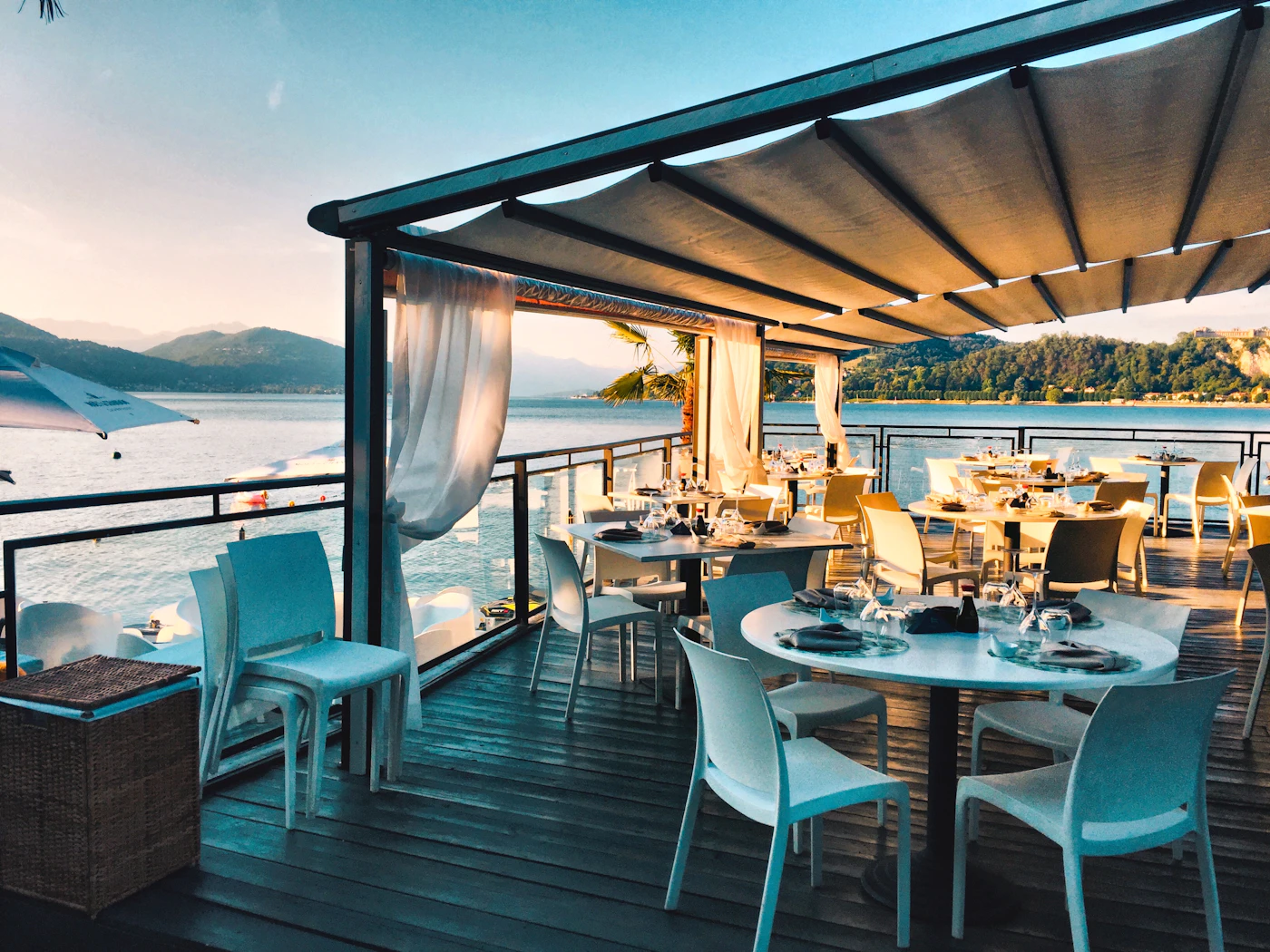
Ambrosia Bistro, Santiago — September 2025
The mains arrived in a wave. Confit de Pato — duck confit lacquered with something dark and serious, sliced clean, sitting on a carrot purée with pickled mustard seeds doing quiet but important work in the middle. Pesca Alcachofa: crispy-skinned fish on leek purée under a pile of fried artichoke, with a segment of orange underneath that had no right to be as good as it was. There was prosciutto involved somewhere in the back. Nobody asked questions.
The Pasta Jaiba — crab pasta — arrived in a deep bowl with enough golden sauce and grated cheese to constitute a commitment. It was 11pm on a Wednesday. This was the correct thing to be eating.
"This is the dish I'll describe to someone at a dinner party in six months and they'll think I'm exaggerating. I won't be."
The desserts
We ordered three. This was not a difficult decision. The Volcán Matcha arrived looking alarming — a dark green soufflé-adjacent structure with sesame ice cream alongside it that tasted like someone had given it a very specific brief and it had executed perfectly. The Frangipane Pistacho was a triangle of something dense and considered with a quenelle of cream. The third: a dome of caramel surrounded by crumble with two spheres of lychee gel that were entirely unnecessary and entirely welcome.
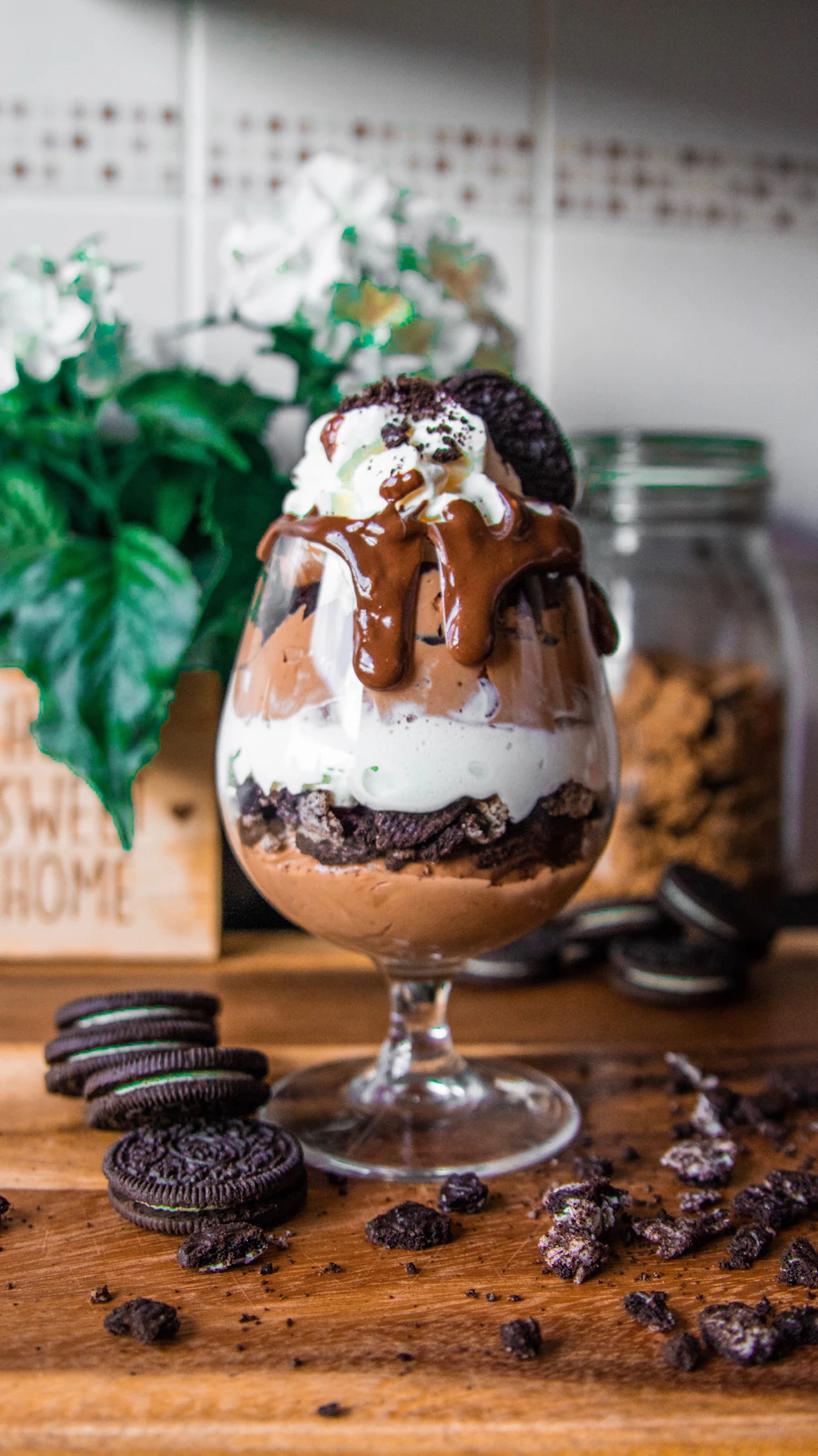
Three desserts. Zero regrets.
The verdict
Fourteen items on the receipt. Three people. One bottle of Sauvignon Blanc Villard Expresión — which, as Chilean whites go, was doing considerably more than its price tag suggested. The total came to 185,400 Chilean pesos. Split three ways, that's approximately $65 USD per person including wine. In any major city, that's an exceptional meal. In Santiago, it's Tuesday.
Ambrosia Bistro is the kind of restaurant that makes you understand why locals are quietly relieved that Santiago doesn't get more attention. If everyone knew, it would be impossible to book. As it stands, you can get a table with reasonable planning and the knowledge that you're eating as well as anywhere in South America.